To become a Notary Public in New York State, you must take several steps. Firstly, you must pass an exam. Here, at Notary New York, we train you to do just that.
A credible witness is an integral part of the notary process. It plays a very essential role of validating the identity of individuals in court documents. Especially when they can’t do that through usual procedures. A credible witness, as it relates in notary practice, is one who may testify as to a signer’s identity based on personal knowledge or through other good and sufficient sources. The witness’s role is central in ensuring the genuineness of the notarized documents and that all the concerned parties are acting voluntarily and with the requisite legal status. Further information regarding notarial duties and obligations can be learned by visiting the New York Department of State. This is a good first step in your journey.
Definition and Importance
An attesting witness means an individual who personally knows the individual whose identity must be verified. They must be able to provide testimony that they know the individual. And that the individual is who he or she claims to be. When an individual cannot provide an ID (i.e., driver’s license or passport), a notary public can use a credible witness to verify the identity of the person.
Qualifications of a Credible Witness
The notary public may not always have the ability to accept anyone at all as a credible witness. The witness must have qualifications to ensure their reliability.
Personal Knowledge of the Signer:
A reliable witness must have personal knowledge of the person whose identity is being attested. This knowledge is enough to confirm that the person is who he or she claims to be.
No Interest in the Transaction: The credible witness should have no direct interest in the transaction or document. This makes the witness unbiased and not prejudiced. Furthermore, their statement is not influenced by any potential benefit from the notarization. This impartiality guards against fraud and makes the process of notarization moral.
Ability to Take an Oath:
The witness, a credible witness in this instance, should have the competence to take an oath and give accurate, truthful evidence. The witness can swear or take an oath under penalty of perjury to assert that the signatory in front of him/her is who they say they are, thereby supporting the validity and integrity of the notarization process. Perhaps you will consider reading our Administration of an Oath article. This is one of the many actws a notary performs
Identification of Their Own:
Occasionally, credible witnesses themselves must provide some form of identification, such as a government ID. This is to establish their identity and that they are who they say they are. The notary public may record the witness’s identification information, including the type of ID presented and the number, as part of the record. Best practice is also to have the client sign your notary journal at all times.
Compliance with State Laws:
The witness, a credible witness in this instance, should have the competence to take an oath and give accurate, truthful evidence. The witness can swear or take an oath under penalty of perjury to assert that the signatory in front of him/her is who they say they are, thereby supporting the validity and integrity of the notarization process.
Conclusion
A proper witness is an important part of the notarization process. It helps verify the identity of a signer, and the document then becomes legal and valid. Their services come in handy when the document’s signer lacks valid identification. When a witness is acquainted with the signer and impartial to the transaction, then the notary checks that all parties involved are properly identified. Thus, the notarization lends integrity. The conditions of a credible witness are clear. They emphasize the aspect of personal knowledge, impartiality, and the ability to take an oath. The use of credible witnesses provides an added level of security. It also lends legitimacy to the notarization process, which further increases confidence in legal and financial transactions.
A client should sign your notary journal. In many jurisdictions, notaries must maintain a journal of notarial acts. One of the important steps in this process is having the client sign the journal. This practice is not just a bureaucratic formality; it serves several key purposes. It helps protect all parties involved—most notably the notary, the client, and the public at large. Below, we explore why it is essential for a notary client to sign the notarial journal. We have another blog article that describes what to record in a Notary Journal.
Legal Protection and Accountability
The primary reason a notary requires a client to sign the journal is to establish a record of the notarial act. This ensures legal protection for both the notary and the client. By signing the journal, the client acknowledges that they are voluntarily submitting to the notarial process. The notary can then verify that the client is indeed the person they claim to be. This helps prevent any potential fraud or misrepresentation. If any issues or disputes arise later regarding the notarized document, it serves as a critical piece of evidence. In the event of a legal challenge, a signed journal entry proves that the notary followed proper procedures. Thus, it reduces the likelihood of liability for any errors or omissions.
Deterrent to Fraudulent Activities
The act of signing the journal also creates a deterrent against fraudulent activities. When a client signs, it signals that they understand the notarial process. A signature creates an additional layer of accountability because it can be cross-referenced with other records in case of suspected fraud. Fraudulent individuals are less inclined to commit crimes such as identity theft or document falsification when they know there is a formal, signed record that can be traced back to them. This simple act of signing can significantly reduce the opportunity for illegal or unethical activities to occur. You can visit the New York Department of State to learn more about fraudulent activities.
Documenting Consent
A notary’s role is to verify that the signer is acting of their own free will and is not being coerced. When the client signs the journal, they are also affirming that they are entering into the transaction voluntarily and without duress. This notarial procedure helps to protect against claims of a document executed under fraudulent or forced conditions. It provides an added layer of proof that the client consented to the notarization. This is important in case of disputes about the document’s validity.
Creating an Audit Trail
A signed journal entry creates a traceable audit trail that records the details of the notarial act. It includes the date, time, type of document, and the identity of the individual. This not only serves as a safeguard for the notary but also provides a transparent record. For example, if a challenge arises to the authenticity of a document or to the notarial process itself, a signed journal verifies that the proper steps were taken. An audit trail is especially useful in complex legal or financial matters, where establishing the timeline and context of the notarial act is crucial.
Enhancing Trust and Professionalism
Having the client sign the notarial journal also enhances the overall professionalism of the notarial process. It helps the notary maintain an organized, thorough record of their activities, which is vital for maintaining credibility. Clients who see the notary keeping such detailed records are more likely to trust the notary’s expertise and integrity. This practice also fosters a sense of professionalism that reflects well on the notary’s business.
Conclusion
In conclusion, having a client sign the notarial journal is a fundamental practice that serves multiple purposes. T protects the notary from potential liability. It helps prevent fraudulent activities. It documents the client’s consent, creates an official audit trail, and enhances the professionalism of the notary’s services. These benefits help ensure that the notarization process is transparent, secure, and legally sound. As such, this practice is not only a legal requirement in many places but also a necessary measure to maintain the integrity of the notarization system as a whole. At Notary New York, we teach people how to become a notary in New York.
This article contains a very good notary stamp tip. Let’s say you just received your “passed slip” in the mail from the New York Secretary of State. That means you are now commissioned as a New York Notary. Purchasing a notary stamp is critical for anyone commissioned as notaries public. The notary stamp is sometimes called a notary seal or embosser. It is an indispensable tool used to authenticate documents. It imprints the notary public’s official seal onto them. Below, we provide a good stamp tip for a notary in New York. We also have an entire article devoted to what information you need to have on your Notary Stamp.
So, the next step is to purchase a notary stamp. This is the stamp you will use to complete notarial service on the documents you notarize. There are many other options at your disposal for purchasing your stamp. They range from office supply stores to online retailers. There are also companies specifically in business to supply notaries public. Many local printing shops can even help you. You should consider convenience, cost, and the reputation of the business before choosing where to get your stamp. Regardless of where you purchase it, it’s important to make sure that the notary stamp meets all legal considerations and specifications required by the state that has commissioned you.
As we stated, there are many places where you can order your stamp. Most Office Depot stores can help you. We recommend Office Depot because they are conveniently located near the residences of most notaries. In addition, there are numerous places online that specialize in providing this service. One of our favorites is notarystamp.com. They offer a wide variety of styles at a fair price.
So, Here Is The Tip
Here is our best tip for a New York notary when ordering your stamp. Leave your commission expiration date blank. In New York, your notary commission expires every four years. So, by leaving this line blank on your stamp, you avoid having to buy a new stamp every four years. Instead, you will only need to purchase a new stamp when the ink runs out. It saves you time and money.
We feel this is a great tip for anyone who wishes to become a notary in New York. And, if you do wish to train to pass the New York notary exam, visit our home page and find out how we can help you prepare to do so.
Here are a few more New York Notary Exam questions. These are in addition to our previous blog article, which also reflects the types of New York notary test questions potentially asked. Now, we don’t know what you will be specifically tested on in your test. But we do know what the State is looking for, in terms of your knowledge. As stated in our previous blog, all the test questions derive from the New York State Notary License law. If you want to download a copy of the law, visit the New York State website. Once there, scroll down to the link – Laws, Rules and Regulations. You will find a downloadable file in PDF format. Anyway, check out the questions below.
New York Notary Exam Sample Questions
When does a notary’s commission expire? A) Two Years B) Four Years C) Six Years D) Never The answer is: B – Four Years
Who maintains a record of a notary’s signature, which is made available to the public? 1. The Secretary of State 2. The Town Clerk 3. The County Clerk 4. Nobody The Answer is: C – The County Clerk
Can a County Sheriff in New York be a Notary? The Answer is: No
If convicted of a criminal offense, can you still become a notary? Yes or No. But, only with a pardon from a parole board.
What is the fee for obtaining a notary license? The current fee is $60.
The Secretary of State in New York is not allowed to appoint more than 1000 notaries in a year. True or False. This is False. He or she can appoint any number of notaries they wish to appoint.
An attorney in New York is still required to take the Notary exam. True or False. This is False.
Who issues a Notary Public’s commission? The answer is: The Secretary of State in New York
When a New York Notary Public certifies a document, that document’s accuracy is now guaranteed. True or False. The answer is False. A notary does not guarantee the accuracy of a statement that exists in the document.
What is the term used to describe a person who receives service from a notary public? The answer is: Constituent.
The exam will have 40 questions. The questions give you an idea of what the state may look for. We can help you prepare more thoroughly in our training course. Should you desire to become a New York Notary, we can prepare you for the exam. Feel free to read our blog on How Difficult the New York Notary Exam is. Another of our blog articles which you may find interesting is titled Choosing a Notary Training Course. A training program can facilitate your exam preparation.
People often ask us, “How difficult is the New York Notary Exam?” Well, that depends on the individual and how much they study. The New York Notary Exam is a rather difficult test to pass. It covers a wide range of subjects connected to the performance of a New York State Commissioned Notary. Additionally, the examination itself contains 40 questions. These questions are multiple-choice. The entire exam must be completed within a one-hour period. You may find it easier to take an exam preparation course. Feel free to read our article on Picking Your Notary Training Course.
Exam Format
The test is divided into four sections:
Business Law
Notarial Laws and Procedures
A generalization of Notarial Knowledge
Computer Proficiency.
Computer proficiency is relatively new. But, with the advent of New York State allowing Remote Notarization, it becomes obvious that a notary would need some basic computer knowledge to notarize remotely.
Each section has questions. Altogether, the questions in each section intend to determine the applicant’s knowledge relative to the New York Notary Law. The objective is to make sure the applicant has the capacity to complete a given notarial act properly.
Successfully completing the exam demands a thorough understanding of the NY notary law. Furthermore, the applicant must be able to apply the law acceptably and efficiently. For this reason, many candidates feel that the test is difficult and challenging.
In addition, all applicants must complete and pass a criminal background check to make sure they are of high moral character. Finally, “yes,” the New York Notary Exam is difficult to pass. But, with proper study and commitment, you can become a notary in New York. Our New York Notary test preparation course can speed up the process for you. Or, you can visit the New York Department of State and study on your own.
You can also read one of our blogs that has a few sample test questions. To do that, click here: Notary Sample Questions.
You might provide notarial services solely in the workplace. Additionally, you may provide service outside the workplace. But, there must be an understood relationship between the notary and the employer. As a notary, one must act in accordance with the laws of the State. At times, an employer may request you to perform an inappropriate notarization. If you aspire to become a notary public in New York or in any state, keep reading.
Let’s remember that the notary is subject to liability. This is why there must be a clear understanding between the notary and the employer that we will not circumvent the laws that govern our commission. When you perform notarial services for your employer, both the employer and you are subject to liability. Bear in mind, your notarial duties are dictated by the State, and not the employer. Thus, you may wish to read our article called “The Notary as an Employee.” It will give you further insight on this topic.
What your Employer Must Understand
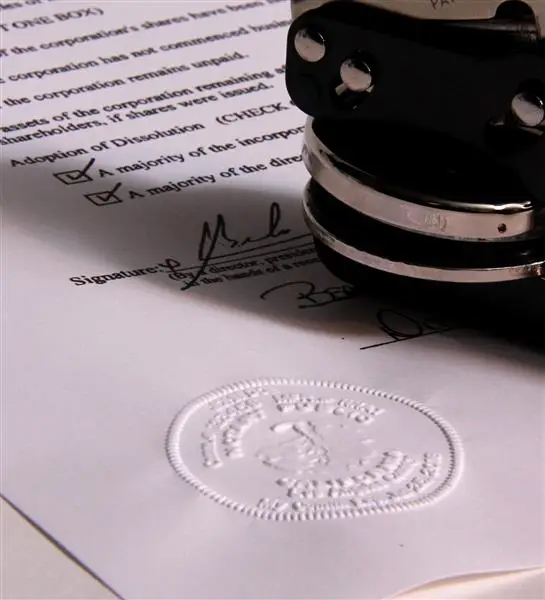
Our employer must understand what we can and cannot do as notaries. So, if our boss asks us to notarize a document for his or her offspring, as a favor, we cannot do it. Not unless the individual appears before us. This can present a contentious situation between you and your boss. But if we create an understanding at the outset of our employment, we can minimize this type of situation.
Since we may be an employee, it becomes imperative for the company to understand that we are subject to the regulations of the law that governs us. Yes, the employer is in control of our employment, but they are not in control of our performance regarding notarization. The notary and the employer need to have a mutual understanding.
When everyone understands that accountability falls on both the notary and the employer, potential problems are then eliminated. The term “Best Practices” is just that, the best practice. A good Book to read on notary accountability is Professor Closen’s Notary Best Practices Expert’s Guide to Notarization of Documents. This book is a definitive work and a must have for any notary.
You can also obtain the book from Google Books. Again, we recommend it highly.
For a detailed outline of best practices between the notary and the employer, watch this excellent YouTube video. The more you know, the better you will become at your profession.
If you’d like to know more about our Notary Training Program, visit our About our Notary Course page.
Okay. You want to become a notary public. So, when choosing a notary training course, there are certain things you should be aware of. Basically, It is important that you choose a course that will present a program which will make you feel fully prepared to pass the exam. Accordingly, Let’s look at some of the important things you should look for when choosing a training program.
Important aspects of selecting a notary training program
Make sure the exam is specific to your State. Every State has various nuances to its notary laws. So, it is imperative that your training provide a course that is designed specifically for your State.
Regardless of the State you live in, we recommend that you take your exam on a date that is relatively close to the date you complete the course. This is because all that knowledge you gained will be fresh in your mind.
You need to decide if you prefer a live classroom course, or an online course. Undoubtedly, each has its benefits and drawbacks. In a classroom course, you can have live interaction with the instructor. The drawback is, these courses are completed in a day or two, meaning that you have to cram information in a shorter period. An online class gives you the flexibility of convenience in that you take bits and pieces of the course over time. This allows better retention of information. The drawback is that not being in a live environment, the luxury of interaction is lost.
In either type of class, you want to be sure you are provided a workbook, or class manual. This way, you can easily refer back to it to refresh previous topics you learned.
We offer online training for those wishing to become a notary public in New York State. Feel free to evaluate our program. You can visit us at our main page.
You can learn more about notary requirements in New York by visiting ny.gov
In New York State, a notary public needs a license to practice. The license is valid for four years. After that time, a notary license renewal is required. Notary license renewal in New York is done by the County Clerk in the county of your residence. It is a pretty simple process. We outline it below.
Notary License
Renewal Procedures
When the four-year license term is reached, a letter is sent to the notary informing him or her of the impending expiration of their license. You will be sent a renewal form. This form requires your physical address (not a post office box). If your address changes, you should inform the State License office in Albany. There will be a $20.00 charge to adjust your records.
The renewal form requires your full signature and oath of office. Bear in mind that your signature and oath must be taken before a notary public, other than yourself.
Once your renewal application is completed and your oath of office and signature are notarized. You will send it to your County Clerk’s office. You will need to enclose a payment of $60.00. This payment should be made to the County Clerk of your county of residence.
Your new identification may take a few months to arrive. As is typical with government agencies, things don’t always move quickly.
If you do not renew your notary commission, then later decide to renew, you will have to take another test. Any renewal received later than six months after its expiration date will not be processed.
If you wish to know more about Notary license renewal in New York, or more specifically, Erie County, visit the Erie County Clerk’s website. In addition to this article, we have several blog items at https://www.notarynewyork.org/our-blog. Our articles are not only directed to existing notaries, but also to anyone who desires to become a notary in New York State. You are welcome to visit us to learn more.
Notaries can indeed refuse service. However, a notary should NOT refuse service to perform a lawful notarial act. What if the document violates your personal beliefs? Still, you should not refuse service. Look, you are not endorsing the contents of the document. You are verifying the identity of the signer. Thus, you are simply a third party witness. So, let’s assume you are against same-sex marriages. You are presented with a document where the content relates to this issue. You should not refuse service. The contents of the document are not within your purview. It might be a good time to read our article about Dangerous Questions Presented to a Notary in New York. Again, you are only a third-party witness who verifies the identity of the signer. There are only a handful of instances where notaries can refuse service because of the document’s contents. If a client needs to authenticate a foreign birth certificate, for example, you may need to refer them to an Apostille.
You may wish to check-out some of our other articles from our blog posts. We discuss several topics relating to notarial service.
When to Refuse Service
There are numerous situations where a notary should refuse service. For instance
The signer does not understand the contents of the document, or appears confused.
You cannot properly identify the signer
The signer is not physically present
You believer that the signer is not signing of their own free will. Perhaps they are coerced.
The document contains black spaces
The signer is your family member
The document does not contain a notarial certificate, and the signer cannot instruct the Notary which type of notarial certificate is required
The client wants a certified copy of a public record
As a notary you must remember that you are a public official. As such, your personal feelings cannot come into play. So, you must fulfil your obligation as a public official unless any of the items outlined above become a factor. That National Notary Association has a more in-depth article on this subject.
If you want to become a Notary Public in New York, you can enroll in our NY Notary Exam training.
Yes. To answer the question, “Does a New York notary have liability?”
A notary can be held liable for misconduct. If a notary performs or fails to do so properly, he or she is exposed to liability. The notary may be responsible if such a person is negligent. Although their duties may seem in simple terms, notaries must perform their duties carefully, or they may be held accountable. Their primary role is to authenticate the identity of signatories and witness the signing of documents and administer oaths. Despite Their seemingly straightforward duties, they come with serious potential liability for notaries if the tasks are not performed correctly. The meaning of notary liability is important for notaries. They must perform their duties with due diligence and mitigate risks.
Nature of Notary Liability
Notary liability is the term describing the legal responsibilities of a notary public. A notary is responsible for any mistakes, omissions, or misconduct occurring in the performance of their duties. When a notary commits an error or acts in bad faith, they can be sued and held responsible through civil charges or other legal consequences. The nature of this liability varies in the jurisdictions and circumstances; due circumstances of the case.
For example, you notarized a document without the signer present. Or, you don’t check the identity of the signer. You could also make yourself exposed because you did not perform proper notarial acts. Another point that puts you in the cross-hairs is: You know that a document contains a false statement. However, you nonetheless you go ahead and notarize the instrument anyway. Realize that it is officially misconduct. It could be a matter of criminal or civil liability. You may want to read our article on Notary Discipline.
So, what if a notary makes a minor mistake? You may be responsible for any damages your mistake brings. If you notarize a high volume of documents, getting Errors and Omissions Insurance is prudent. We will address this insurance in an upcoming blog.
Errors and Omissions:
If a notary makes errors or is failing to perform tasks according to the law, this is also an indirect approach to liability. They can be found liable. If a notary fails to validate the signer properly or makes a mistake with the notarization, it can lead to legal problems and a significant financial burden on the parties involved.
Authenticate Documents Properly: Notaries should properly make ensure that all relevant documents are properly executed and comply with any legal requirements. If a notary does not correctly authenticate or verify a document, arguments or even some legal challenges may arise.
Improper Administration of Oaths: When administering oaths, notaries must follow strict procedures. Any deviation from these procedures results in the oath considered as invalid. This impacts legal proceedings or document validity.
Fraud and Misconduct: A notary public is required to act with ethics and refrain from acts of fraud or dishonesty. Engaging in fraudulent acts, like forging documents or intentionally permitting an individual to sign a document can have very serious results. Do not engage in any form of fraud or misconduct. Engaging in fraud, including fabricating documents can have huge repercussions. Your employer will be liable for the notarial acts you perform. The best advice is always to follow the law. All of these situations — and more — are discussed in our New York Course for Preparing for the Notary Examination.
In addition, your employer risks liability for any notarial acts you perform. One possible problem arises when your employer wants to take advantage of your notary status. He or she asks you to authenticate a signature outside the parameters of the law. It may seem a simple favor at the time, but it can come back to haunt you. It is extremely important that both you and your employer understand that improper notarization is not allowed. The best advice is always follow the law. All of these situations, and more, are detailed in our New York notary Test Preparation Course.
Consequences of Notary Liability
The consequences of notary liability can be severe, including:
Legal Action: Any person suffering an injury has the right to take actions and sue the notary to recover any damages emanating from the errors or negligence done. Taking a suit comes along with certain debts within compensatory damages and costs that can be crippling.
Administrative Penalties: Notaries may face disciplinary action from regulatory bodies or licensing agencies. Penalties can include suspension or revocation of the notary commission, fines, and other administrative sanctions.
Loss of Reputation:
There is a risk of enforcement action taken against the notaries for sure violations of the law by all government bodies in agencies, ministries, licensing bodies, commissions or boards. Punishment includes; notary commission being revoked or fined and other administrative disciplinary actions. If the situation demands it, you can also be incarcerated.
Again, a New York Notary has liability. But if you do your job, you will probably not commit misconduct. The law from the New York State Department of State., in short states, ”the best way to avoid exposure to liability is to obey the law.”
So, the best advise we can give you is to conduct your self in a professional manner and follow the law. If you do that, and develop a Best Practices approach, you will minimize any exposure to being liable. At Notary New York, we help prepare you to pass the New York Notary Exam. Our program provides in-depth instruction with sample test questions.
There are several types of documents that require notarization. In addition, there are specific types of notarial acts, These acts depend on the dictates of the document itself. Our purpose here isn’t to list all the types of notarization, nor all the types of documents that require notarization. But, we want to give you some insight. Let’s start with the three most commonly notarized documents, or types of notarial acts. Then, let’s look at ways to apply them. If you require in-depth information about becoming a notary in New York, visit New York State Notary webpage for specific Information.
Types of Notarial Acts
Acknowledgements: Basically, an acknowledgement ensures the person signing a document is who they say they are. It acknowledges that they sign of their own free will. The signer should appear in person before the notary to be positively identified. You will frequently encounter the need for acknowledgements in Deeds, mortgages and all types of trusts.
Oaths and Affirmations: At times you have to administer a verbal Oath for the purpose of compelling truthfulness. An oath is a pledge before God (or a Supreme Being). If someone doesn’t believe in a supreme being, the notary can give an Affirmation. In this instance the person swears upon their individual honor.
A Jurat: A signer to a document swears or affirms that the contents of a document are true. That’s the key. They swear to the truthfulness of the document contents. This differs from a verbal swearing as in an oath. Jurats are performed for affidavits and depositions.
For an in-depth understanding of these and other notarial acts you can enroll in our New York notary exam preparation course. You can also read our blog article on Why One Engages a Notary Public.
Situations to perform an Acknowledgements.
Living Trust: Today, more than ever, living trusts appear with greater abundance. During a person’s lifetime they create a Living Trust. This means that they designate a trustee to take responsibility for managing their assets. This is for the benefit of an heir or beneficiary – usually a child or other family member.
Bill of Sale: When ownership of an asset transfers to another party for money, a legal document records the transaction.
Contracts: A contract might outline an exchange of goods or services. All contracts are not necessarily notarized. The more at stake for both parties, the more likely that the contract would require notarization.
Articles of Incorporation: When you start a company you create Articles of Incorporation. These documents should be notarized. Otherwise, if you need to submit them to a legal governing body, they won’t be accepted.
A Deed: When real property transfers, the person or persons that transfer the property must sign the deed. These documents are always notarized. You can learn more about acknowledgements by visiting New York State.Gov. Or, if you wish to become a notary public in New York, you can register to take our New York Notary Exam training course.
Some documents may, on a rare occasion require the need of a Loose Certificate. So, a notary must always be prepared.
Situations to perform an Oath may.
Federal employees, political appointees, judges, and most federal positions require an oath of office. Even postal works take an oath. Jobs that expose you to highly confidential information usually require an oath. If you are requested to perform an oath, you are required to do so by law.
Situations to perform a Jurat.
As we mentioned, the signer swears to the contents of the document. For example, you need to provide an affidavit for probate court. You have to verify your identity. You have to verify a death. In such cases you could have to swear to the document’s contents.
As of January 25th of 2023, New York State requires all notaries to keep a Journal. We will outline these requirements in a new article very soon. For now, let’s look at why we need to keep a journal. You will have to keep your journal for a period of ten years.
A record of your notarial acts in a journal provides a written account of the acts performed. This may prove very beneficial somewhere down the road after a specific notarial service is forgotten.
For example: Assume that two years after you certified a signature some type of legal question arises. Let’s say that you have to address the specifics of that notarization. Because you placed your seal on hundreds of documents since the one in question, it would be impossible to recall the specifics of the act. But, a journal helps you to do just that. If you want to know what information should be logged into a journal. Please read our blog item on this topic. It describes what a Notary Should Record in a Journal.
A few reasons why a notary should keep a journal:
It provides a factual proof which verifies the notarial act was properly executed.
If a court action were to occur in the future, your journal is prima facie evidence to the facts within it.
There’s an old adage that says, “If it wasn’t written it did not happen.” As a notary you have an obligation to know what acts you performed, and when. So, your written journal provides a suitable record of what happened.
A journal protects the notary if he or she is sued for negligence.
It is simply good business to keep accurate records.
There are proper techniques for recording information in your journal. For instance, you want to include specific information related to your notarial act. An important point to make here is that a notary must use ink when writing in a journal. Thus, if an error is made, he or she should draw a single line through the error and then make the correction. You can find journals online. Notary.net has a nice selection of journals
You should collect specific information from the signer and record it in your journal. We’ll discuss what information to include in your journal in our next blog.
If you are interested in becoming a notary in New York, you may want to evaluate our notary training course. It covers journals and every other aspect that prepares you to pass the New York State Notary Exam. You can also learn more by visiting the New York Department of State. Also, you can read our Notary Public FAQs page, which may answer other questions you may have.
In New York State, mobile notary is someone who performs notarial service outside of an office. It’s a way to provide service and accessibility for clients who may be unable to visit a notary’s office. For example: Physical limitations, lack of time, or geographical location. There are many different functions a mobile notary can perform, and knowing this can be very important for anyone looking to get something notarized. We at Notary New York train individuals to take, and pass, the New York Notary Exam. So, to be a mobile notary, one must first be a commissioned notary.
At Notary New York, we prepare people to pass the New York Notary Exam. This is merely one topic covered in our notary training course. A mobile notary may be more apt to encounter the need for a Certificate of Official Character. Of course, this depeneds on what counties they service.
What is a Notary Public:
Before we get into the details of a mobile notary, you need to understand what it is that a notary public does. A notary public is someone appointed by a state, who has the authority to perform certain legal acts. The purpose is to help prevent fraud. A notary will verify a person’s identity. They will often witness a signature on a document. This function plays a key part in deterring fraud and ensuring documents are executed according to legal standards.
For example, in New York State, a notary public performs are oaths, affidavits and acknowledgments of signatures in documents. Notaries follow a strict set of ethical and legal guidelines. Their role is essential in a number of legal and financial contexts, including real estate transactions, commercial deals, and legal documents.
What is a Mobile Notary:
A mobile notary provides notarial services in a mobile format, as the name implies. Typically, a mobile notary travels to take care of signing or notarization wherever the client desires. It could be at a home, office, hospital, or any other venue. This flexibility is useful in situations where a client’s mobility is restricted, such as the elderly or people with health complications, or in emergency situations where immediate notarization is needed. A mobile notary may be required to provide a Certificate of Official Character.
What Does a Mobile Notary Do?
Mobile notaries in New York State offer the same services provided by standard notaries. After all, they are notaries. The only difference is that a mobile notary will travel to you. So, just like a standard notary, the services include:
Document Notarization: The primary function is to witness signatures and certify documents. This covers things like legal documents — wills, powers of attorney and real estate documents.
Acknowledgments: This is when a notary verifies that the person signing a particular document is doing so willingly and understands what is in the document. Have training on data until October 2023.
Oaths and Affirmations: Mobile notaries also have authority to administer oaths and affirmations, which may be used for legal proceedings or business transactions. First though, let’s look at what copy notaries can do:
Certify Copies: Some notaries are authenticated to produce copies of specific documents, however, this service can vary by state and will possibly not be available in New York
Legal & Practical Assertions:
Mobile notaries in New York are required to meet the same legal requirements as traditional notaries. After all, as stated above, they are standard notaries. The only difference is that they travel.
A mobile notary provides a huge time-saving convenience. Especially in busy or emergency settings. It also offers a level of personalized attention and customer support that a traditional office may not be able to provide at all times.
Challenges:
Although the convenience of a mobile notary is evident, there are also some limitations and challenges with this service. These mobile notaries also charge additional fees for travel and convenience, which can range based on the distance they need to travel and the time of day. Clients should make sure to procure any fee agreements up front as this can prevent a misunderstanding of how much the firm can charge.
If you ask what it cost to become a Notary in New York State, people will tell you, $60.00. Well, they are correct, and they are incorrect. Let me explain.
First, you have to take a test. The fee for the test is $15.00. If you pass the test, you will then be charged for your Notary Commission. This is the $60.00 fee. But wait, there are other costs.
You will need to purchase a rubber stamp in order to provide service for your clients. The cost of a rubber stamp can vary in price from between $5.00 and $25.00. Now, depending on the types of documents you will be notarizing, you may want to purchase an embosser. An embosser can cost between $30.00 and $60.00. You should also buy a notary journalto record any notarial act that you do. A journal costs between $15.00 and $35.00.
So to be completely set up as a Notary, let’s review:
You can purchase supplies online. All Stationary Supplies can provide you with what you need at All State Notary Supplies.
There are also additional costs you could incur. You may decide to study for the test on your own, which costs nothing. Or, you may wish to take a test New York Notary Testpreparation course. These courses run from between $50.00 and $100.00. Our course costs $59.00 and it is available at our home page.
After receiving your commission, you may decide to secure what is called Errors and Omissions Insurance. What this does is protect you against liability for any unintentional errors you may make.
You now have a clear idea as to what it would cost you in order to become a New York Notary Public. When you think about it, it’s a rather small investment. When you consider the added value you can bring to your employer, it’s well worth it. Once you receive your notary commission you can register to become an e-notary.
To learn about our New York Notary Training Course, click the About the Course link on our home page.
If you want to know how to become a Notary in New York, there are certain things you need to know. First of all, a notary public is also known simply as a notary, and is responsible for notarizing documents, signatures, taking oaths, and certifying documents, as well as other duties. There are several steps you need to take before you receive your commission. Here’s a complete guide on how to become a notary in New York:
The Purpose of a Notary Public:
A notary public can witness signatures, administer oaths, and certify copies of some documents. Their primary role is to prevent fraud by confirming signers’ identities and ensuring the authenticity of documents. Consequentlly, notaries play a valuable role in society. At Notary New York, we train students to pass the New York Notary exam.
Requirements to Become a Notary Public in New York:
Eligibility: You need to be at least 18 years old.
Have citizenship or lawful permanent resident status in the United States
Be a resident of New York State or maintain an office or place of business in the state.
Education: You do not need a formal education to be notary public in N.Y.
Application: Fill out the application provided by the New York Department of State.
After notice that you passed the notary exam, you will mail it to the state with an application fee of $60.00.
Pass the Notary Exam: As just mentioned, you will need to pass an exam.
Background Check: A background check is part of the application process. Some recent criminal convictions can keep you from being a notary.
Steps to Become a Notary Public in New York:
Pass the New York Notary Exam: You must pass the test to assure you understand the New York Notary Law.
Await your Exam Results: All in all, the state will notify you if you passed or not.
Prepare Your Application: Get the notary public application form from the Department of State website.
Complete the Application: Fill out the application completely and accurately.
Submit Your Application: Include the required $60.00 application fee with your completed application.
Mail your application and fee to the address specified on the form.
File Your Oath: Submit your oath of office to the state, accompanied by with your application to the Department of State.
Await Receipt of Your Commission: When your application is processed and if your application meets the requirements and is subsequently approved, New York Commission will send you a commission certificate.
Obtain Your Notary Supplies: Buy a notary seal and a record book (required by law) from an authorized agent. These are required tools needed to perform notarial acts.
Start Notarizing
Maintaining Your Notary Commission:
Your notary commission is good for four years. Accordingly, a renewal application, as well as a renewal fee, are required for renewal of your commission. Consequently, you need to pay the renewal fee, and retake the oath of office.
Here is more information on how to become a notary public. Visit the New York Department of State Division of Licensing. New York Department of State.




 What your Employer Must Understand